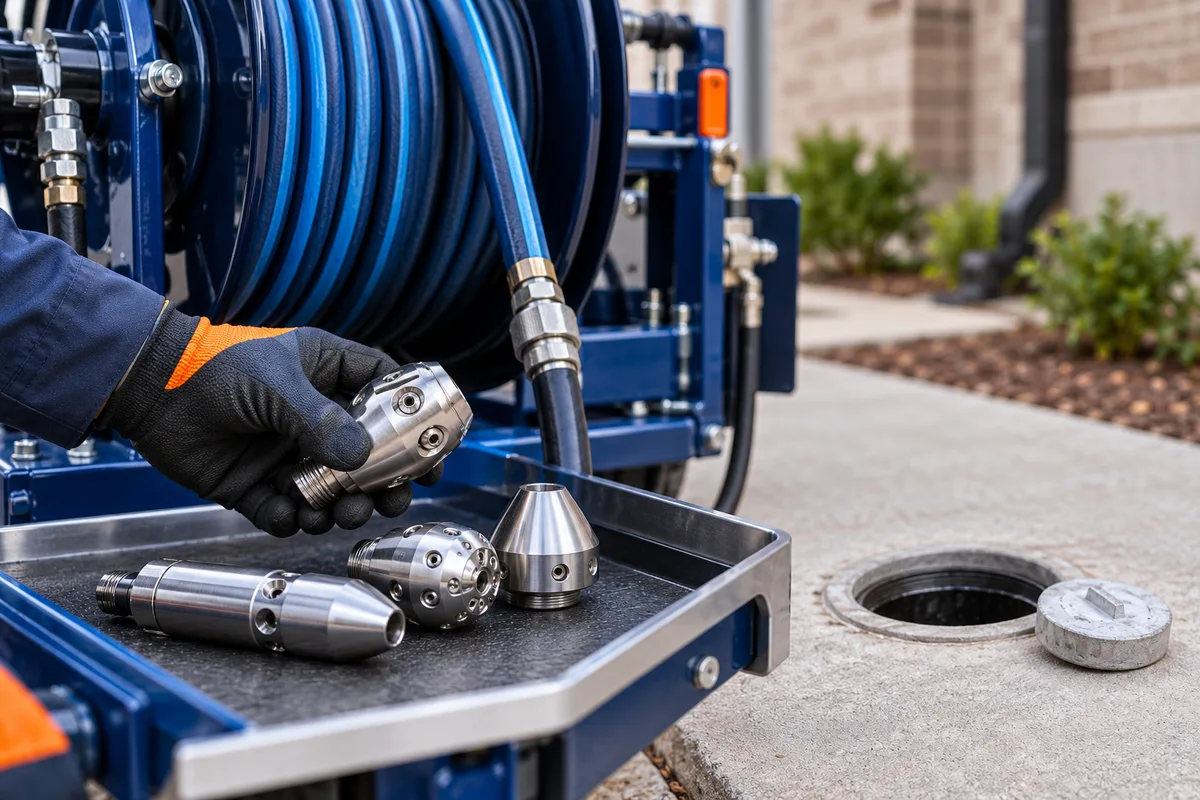
When to ask about hydro jetting & drain cleaning
Grease, deposits, roots, or a recurring main-line blockage where appropriate cleaning may improve flow or prepare the line for inspection.
What the assessment should explain
A provider selects cleaning tools for the obstruction, access, and pipe condition. Water jetting can remove deposits; cable cleaning may restore access. Ask what result the quoted service includes.
Clearing a path and cleaning a pipe are different results
A drain may begin flowing after a narrow passage is opened through an obstruction. That does not necessarily mean deposits along the full run have been removed. Ask whether the service is priced to restore flow, clean a defined section, prepare for a camera survey, or prepare for rehabilitation.
Tell the provider about previous clearing attempts, the length of time before symptoms returned, and any known pipe defects. Roots, grease, scale, wipes, and a physical pipe obstruction do not all call for the same response. The equipment should follow the findings.
Pipe condition comes before a pressure claim
The highest advertised pressure is not a useful measure of whether a service suits your drain. Material, wall condition, joint alignment, access, and the nature of the blockage affect tool selection. If the initial view is poor, ask how the provider manages that uncertainty.
Hydro jetting is professional equipment work. Do not attempt to open a pressurized hose, enter a drainage pit, or test an overflow by repeatedly adding water. If vulnerable pipe is suspected or the equipment cannot progress, the next step may be more assessment rather than more force.
What to check after the obstruction is gone
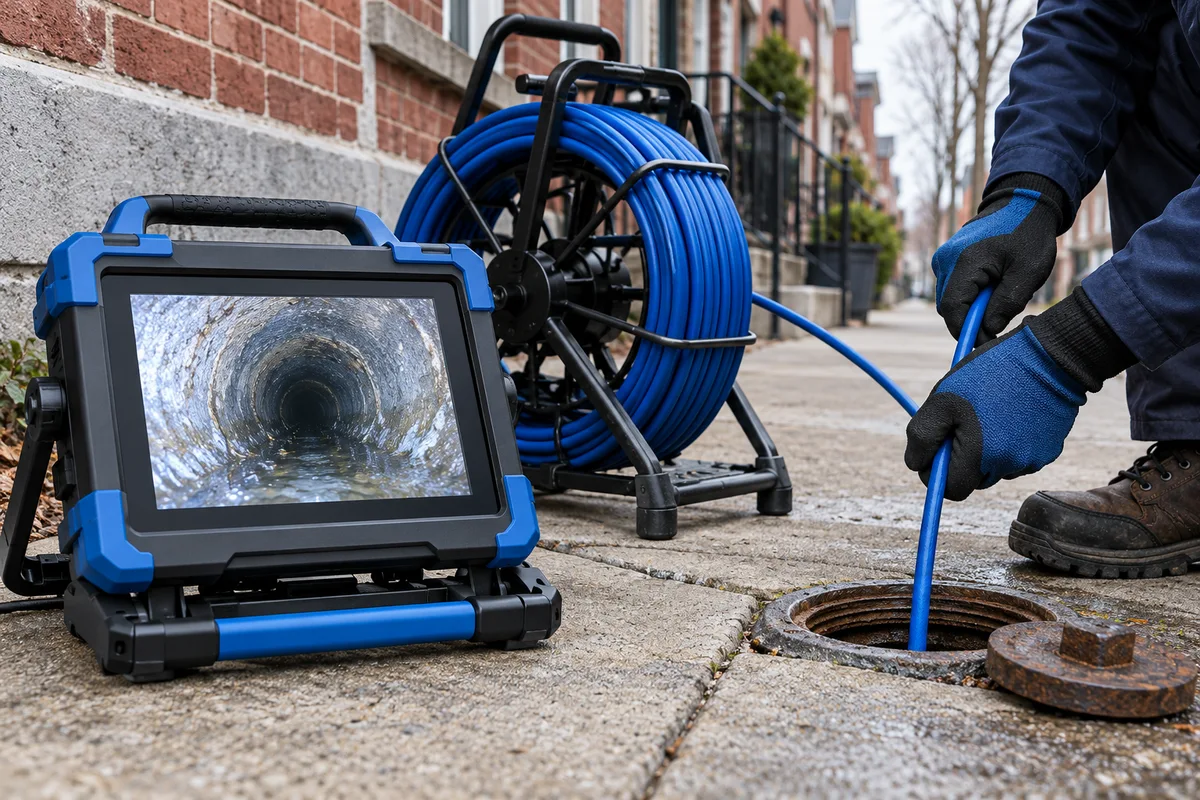
Where accessible, an after-cleaning camera survey can reveal the pipe behind the blockage. Ask for remaining root entries, offsets, cracks, deposits, and uninspected sections to be explained. That separates an ongoing maintenance problem from a structural repair decision.
Cleaning does not rebuild missing wall, seal a joint, or correct grade. If a repeat service is suggested, ask what condition justifies the interval and what change would trigger a repair discussion. Keep the records so the next visit starts with evidence.
Questions about this service
Is jetting always better than a cable?
No. The appropriate method depends on the obstruction, access, and pipe condition. Ask what each proposed tool is intended to achieve.
Does jetting repair a cracked sewer?
No. It can clear or prepare a line, but the underlying defect needs a separate assessment and repair decision.
What if the drain blocks again soon?
Review what the first scope included and ask for a post-cleaning inspection. Repeating the same clearing without explaining the cause may not resolve the underlying problem.
Questions to bring to the appointment
- Obstruction type
- Pipe condition
- Clearing versus cleaning
- Post-cleaning inspection
- Next-step scope
Where this approach has limits
Cleaning is not structural repair. Vulnerable piping, inaccessible sections, or severe defects may change the approach. Ask for after-cleaning footage before committing to lining or replacement.
Compare the complete proposal
Ask for the pipe section and repair length, expected access work, preparation, connection handling, final testing, and surface restoration. If the initial assessment is incomplete, the quote should identify the assumptions and explain how changes are approved.
Keep the inspection recording and the written scope. A second proposal is easier to assess when both providers are reviewing the same route and findings.
See the repair quote comparison guide →
Confirm current requirements with the responsible department and the provider assessing your property.