
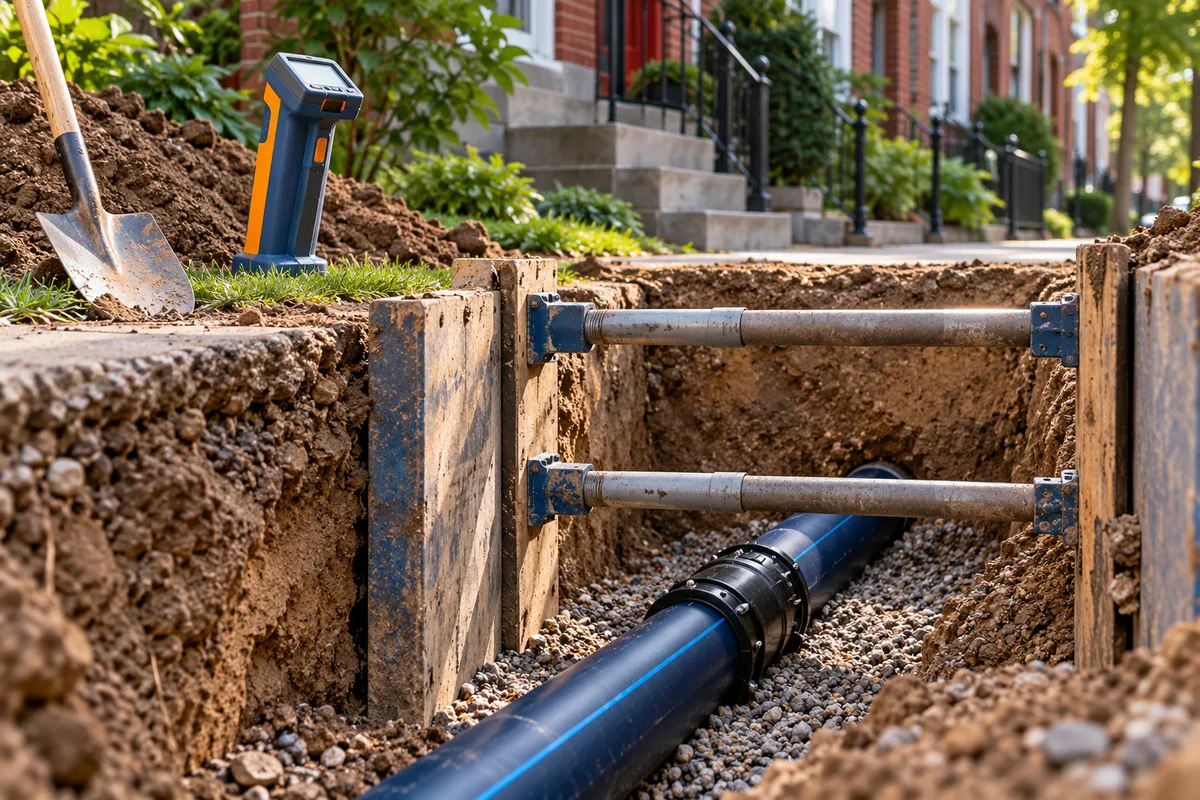
When to ask about sewer lateral repair & replacement
A confirmed collapse, major separation, severe deterioration, or a pipe whose geometry cannot be rehabilitated appropriately.
What the assessment should explain
The provider should locate the defect and explain whether a spot repair, rehabilitation, or a replacement addresses it. Replacement may use excavation or another accepted method, depending on condition and approvals.
Replacing the whole run is not the only starting point
A replacement discussion should begin with the condition and location of the problem. One failed fitting, several damaged joints, a missing section, or a persistent grade issue can call for different boundaries. Ask why the proposal covers a spot, part of the lateral, or the complete route.
A camera survey may be incomplete until an obstruction is cleared or another access point is available. Have those uncertainties recorded. An unexplored route should not be described as fully diagnosed, and a fixed price should explain which assumptions about the unseen pipe it relies on.
Access and connections can drive the project
Before work, ask for the route, depth, expected openings, and working space to be explained. Philadelphia properties can have narrow frontage, finished basements, paving over the route, or shared access constraints. Describe your actual layout instead of assuming the provider can stage equipment beside the home.
The proposal should identify what happens at the house drain, trap, existing fittings, and downstream connection. It should also explain applicable permits, inspections, utility coordination, temporary water-use restrictions, and who is responsible for each step.
Compare the restored property, not just new pipe
A pipe-only figure can exclude a substantial amount of access and restoration work. Ask whether concrete, paving, landscaping, basement finishes, debris removal, and temporary access are included. A basic patch and reinstating a finished surface are different outcomes.
At completion, keep the final inspection recording, the installed route and materials, and any applicable closeout documents. Ask the provider to identify any existing section left in place. This makes future maintenance and warranty discussions more precise.
Questions about this service
Can only the damaged section be replaced?
Possibly. The defect, condition of the adjoining pipe, access, and approval requirements determine whether a localized repair is reasonable. Ask why a longer scope is needed if one section is the main concern.
Is replacement always trenchless?
No. A replacement method must fit the site and be accepted for the application. Severe grade or access problems may require excavation.
Will the quote include sidewalk restoration?
Do not assume so. Ask for the disturbed area, finish, timing, and any exclusions to be written into the proposal.
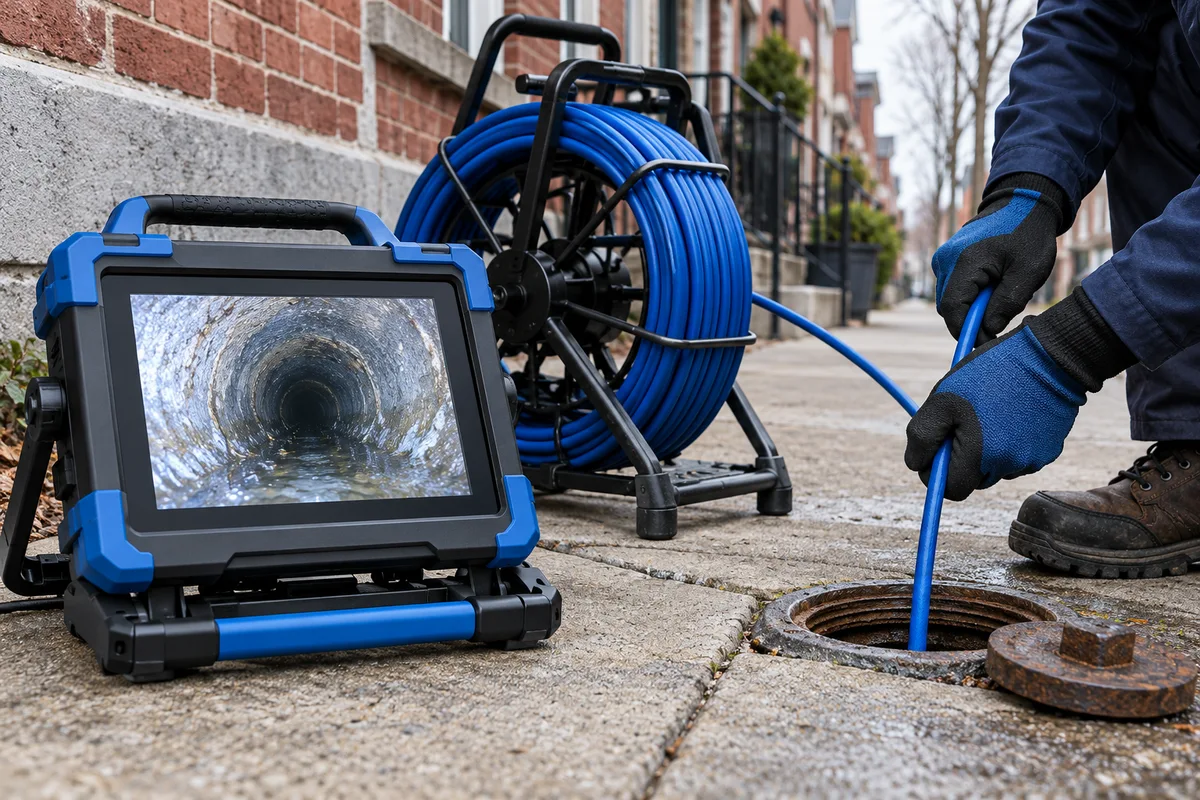
Questions to bring to the appointment
- Located defect
- Repair length
- Method rationale
- Connection work
- Surface restoration
Where this approach has limits
A whole-lateral scope should identify why a localized repair is insufficient. Ask who handles connections, permits, public-space work, and restoration. Avoid pricing a route that has not been established.
Compare the complete proposal
Ask for the pipe section and repair length, expected access work, preparation, connection handling, final testing, and surface restoration. If the initial assessment is incomplete, the quote should identify the assumptions and explain how changes are approved.
Keep the inspection recording and the written scope. A second proposal is easier to assess when both providers are reviewing the same route and findings.
See the repair quote comparison guide →
Confirm current requirements with the responsible department and the provider assessing your property.