Toilet water coming up in the tub: what the pattern tells you
A toilet flush that sends dirty water into the bathtub is a useful clue: two fixtures are interacting through a drain they share.
Read the guide
Fifty practical guides for the moment a drain backs up, a camera report raises questions, or a repair quote arrives. Specific problems, clear limits, and useful next steps.
50 guides found
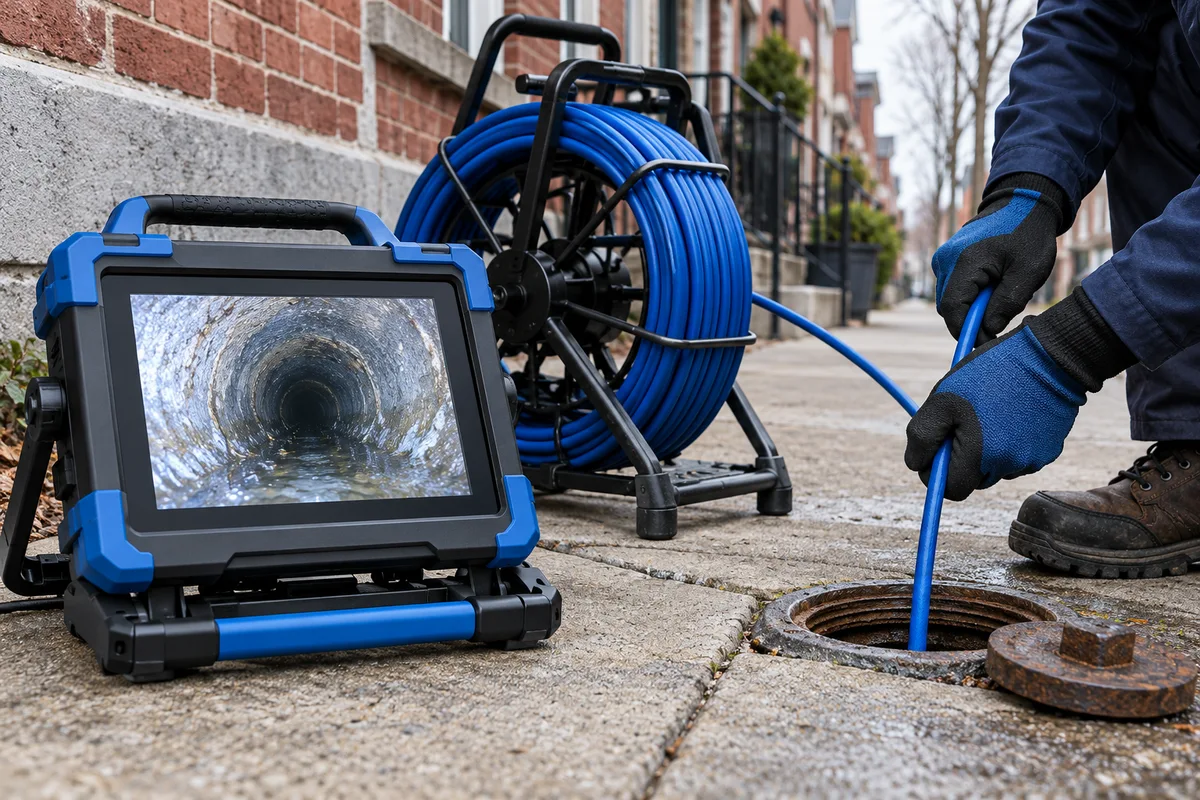
A toilet flush that sends dirty water into the bathtub is a useful clue: two fixtures are interacting through a drain they share.
Read the guideA washing machine releases a large batch of water quickly.
Read the guideA backup that only happens during a storm deserves a different investigation from a dry-weather clog.
Read the guideA gurgling toilet can be air moving through a partly restricted drain or a ventilation problem.
Read the guideWhen several fixtures slow down together, the shared drainage route becomes more important than any single sink trap.
Read the guideA sewer odor is not a reliable test for a broken underground lateral.
Read the guide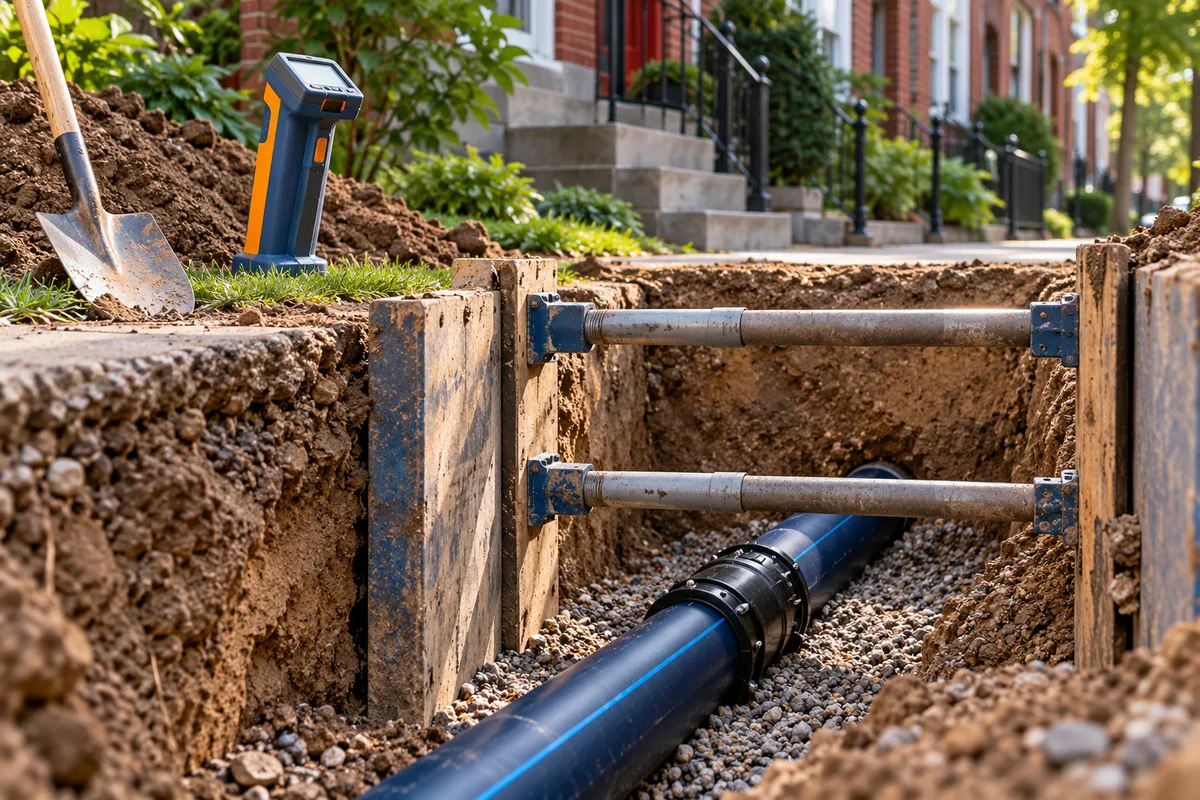
A wet patch does not identify which underground pipe is leaking.
Read the guide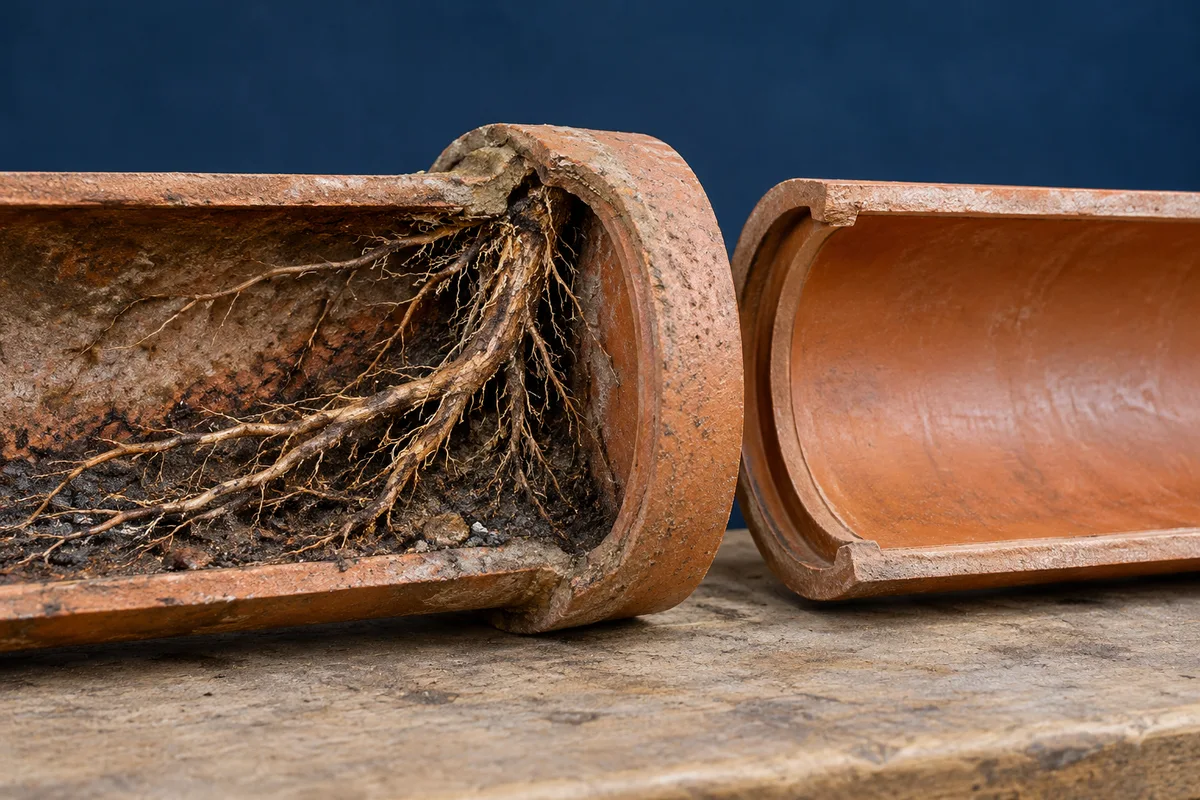
Removing roots can restore flow without fixing the opening that let them into a sewer.
Read the guideA recurring root blockage is frustrating because the drain appeared fixed after the first visit.
Read the guide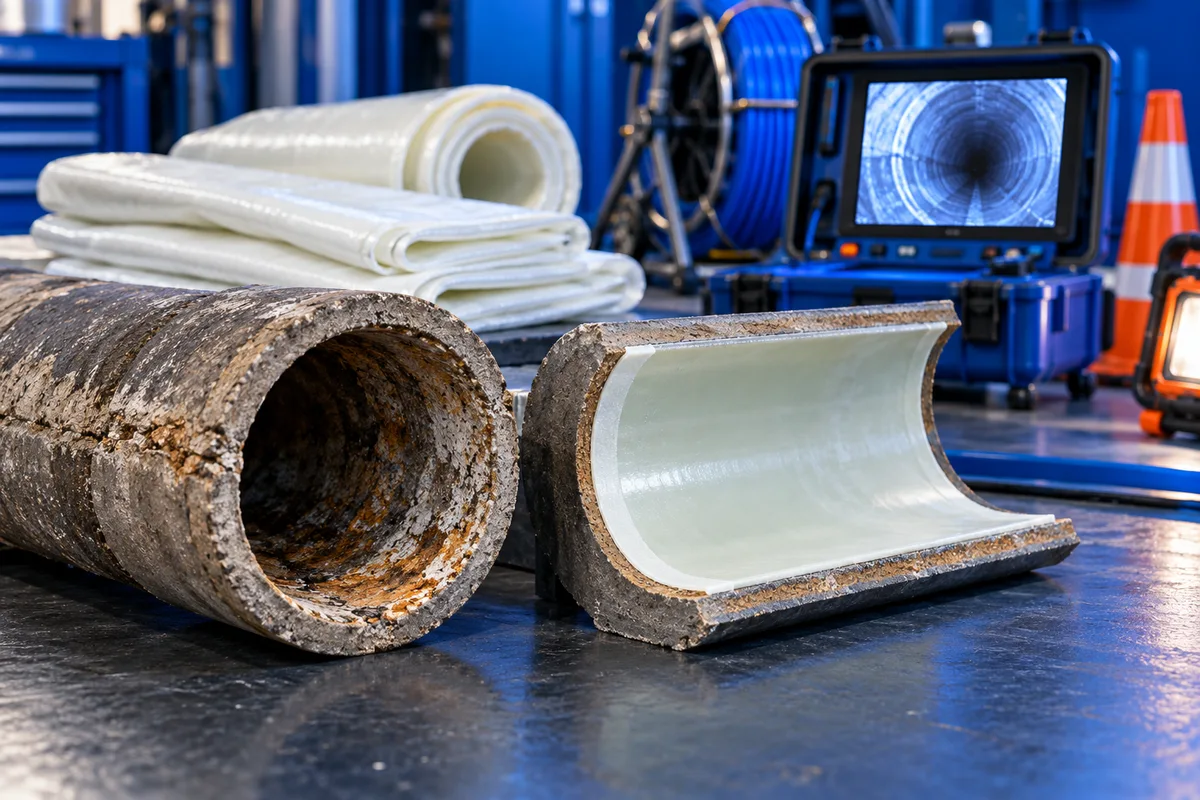
Clay pipe can remain serviceable for a long time, but age alone is not a condition assessment.
Read the guide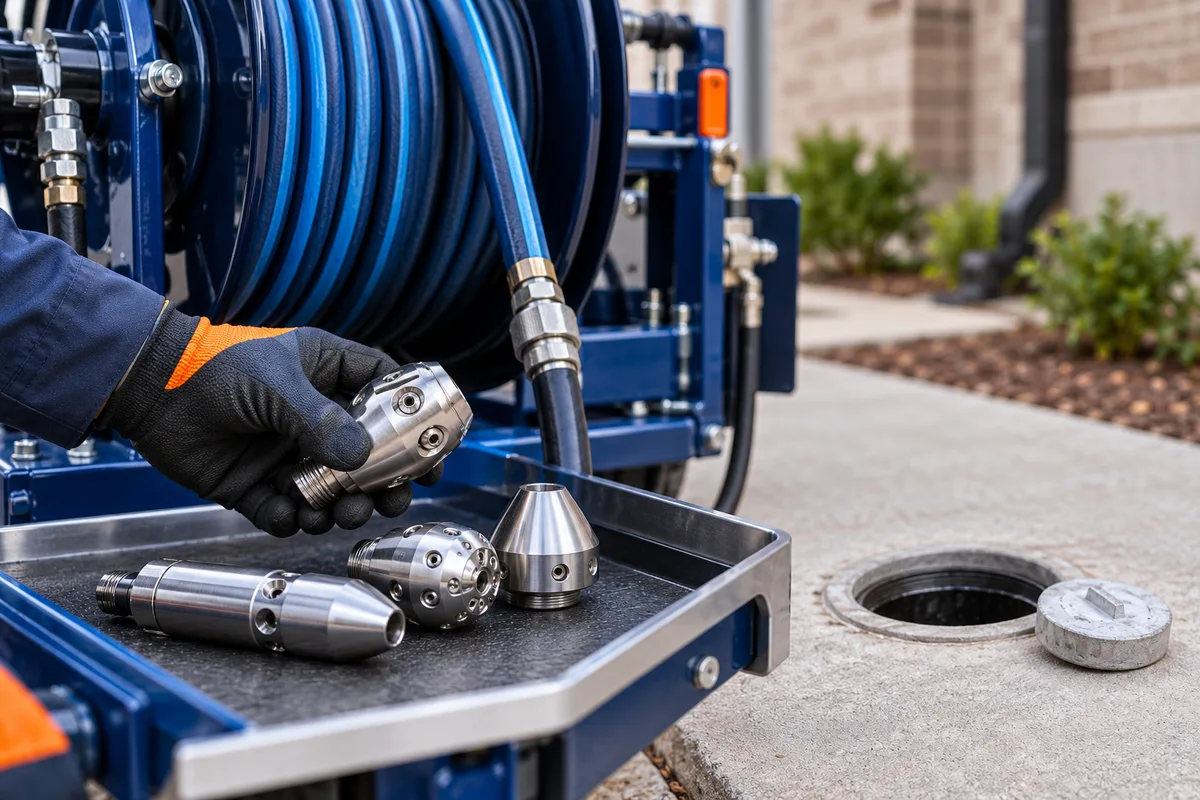
A rough-looking cast iron drain can have internal deposits, wall deterioration, or both.
Read the guideIf an inspection identifies Orangeburg, ask for evidence of its shape and condition.
Read the guideAn offset joint means neighboring pipe sections do not line up cleanly.
Read the guideA sewer belly is a low section that retains water.
Read the guideA camera stopping abruptly is not automatically proof of a fully collapsed pipe.
Read the guideLining rehabilitates an existing pipe from inside.
Read the guideRoots and debris can prevent proper preparation and conceal defects.
Read the guideA liner occupies space inside the existing pipe, so the finished internal diameter is smaller.
Read the guideA defective drain below a finished basement floor creates two projects: repairing the pipe and restoring access surfaces.
Read the guideWhen a sewer defect lies below the sidewalk, the repair scope needs to address both underground work and the surface above it.
Read the guideA driveway above a damaged sewer makes the surface-restoration cost especially important.
Read the guideA rowhome without side access changes how equipment, pipe, waste, and workers reach the job.
Read the guideA camera survey may suggest that a drain leaves the expected property route.
Read the guideThe absence of a visible cleanout does not mean there is no possible camera access.
Read the guideA video file without an explanation can be difficult to use.
Read the guideA stopped camera tells you the survey is incomplete.
Read the guideA general home inspection may not include a recorded underground sewer survey.
Read the guideA submerged camera view can make a pipe look worse while hiding the features needed to diagnose it.
Read the guideA cable and a water jet do different work, and the best choice depends on the obstruction and the pipe.
Read the guideThe word “clay” does not by itself answer whether water jetting is appropriate.
Read the guideIf drainage fails again soon after a clearing, ask what the first service established.
Read the guideA kitchen drain that repeatedly slows may have grease deposits in a branch or farther downstream.
Read the guideA wipe-related blockage can reveal more than a disposal problem.
Read the guideA cleanout price depends on access, depth, existing pipe condition, and the surfaces that must be opened and restored.
Read the guideIf a cleanout is missing from view, it may be concealed, replaced by another access arrangement, or absent altogether.
Read the guideA curb-trap problem and a damaged lateral can produce overlapping symptoms but different scopes.
Read the guideWastewater at a sidewalk opening needs prompt attention and a clear report.
Read the guideA PWD notice deserves attention to its specific wording, marked defect, and stated deadline.
Read the guideTrenchless is a construction method, not a permit exemption.
Read the guideTwo sewer proposals can look comparable while pricing very different work.
Read the guideDo not assume that a pipe repair, sewage cleanup, and damage to interior finishes are covered by the same insurance provision.
Read the guideA headline warranty is less useful than the terms behind it.
Read the guideInstallation time and the period when you cannot use connected plumbing are not necessarily the same.
Read the guideDo not assume that a sink or toilet can be used simply because the water supply still works.
Read the guideDifferent lining systems use different materials and installation processes.
Read the guideA backup after lining needs investigation, but it does not prove the liner itself failed.
Read the guideA working drain on the day of completion is only part of a useful handover.
Read the guideA rental-property backup requires both a drainage response and clear communication.
Read the guideA sewer concern during a sale can become confusing when inspection notes, contractor quotes, and transaction discussions describe different things.
Read the guideA prevention plan works best when it follows the findings from your own drainage system.
Read the guideCall with your address and symptoms. Ask about inspection options and current service availability.