Describe where and when the odor appears
Record whether it is strongest at a floor drain, bathroom, basement wall, or outside vent opening. Note whether it follows a period of vacancy, use of an exhaust fan, or a plumbing fixture running. Do not enter confined spaces or attempt to locate gas by smell at close range.
Ask which test answers which question
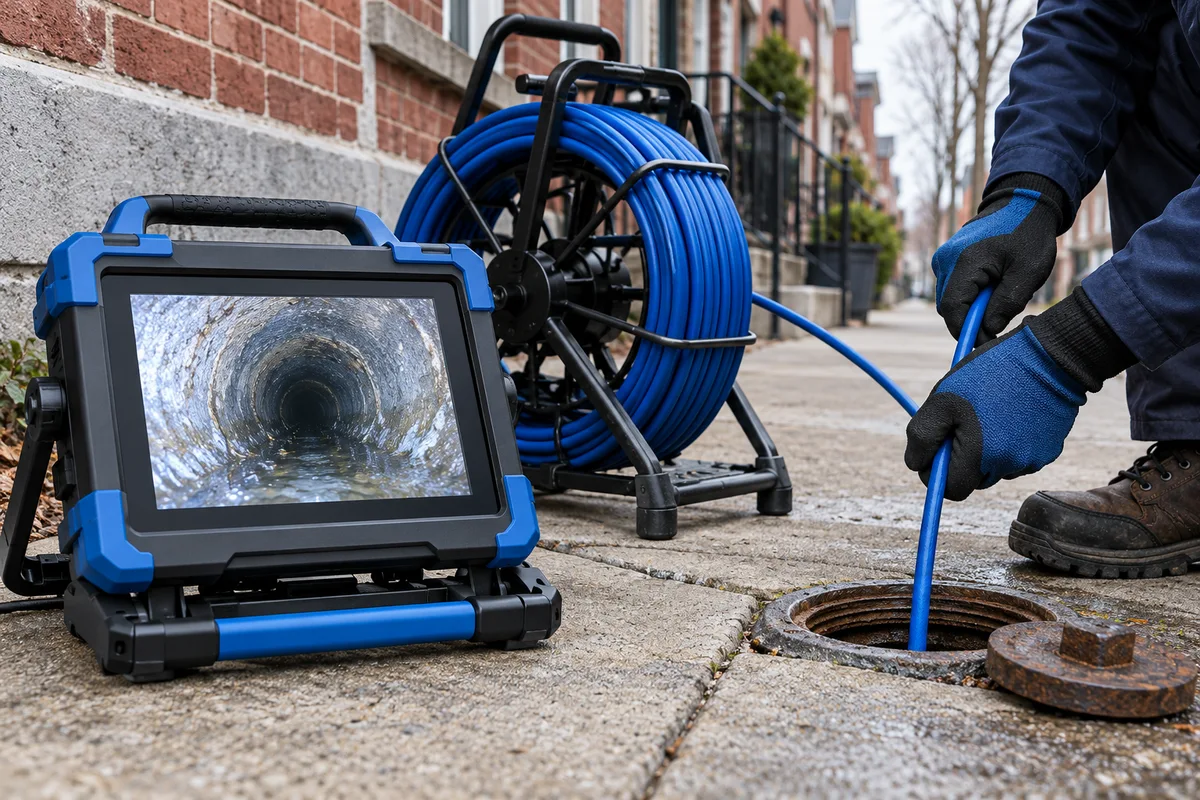
A camera can inspect the inside of accessible piping, but it does not show every seal or all ventilation paths. The provider may recommend checking fixture seals, trap water, or another diagnostic method. Ask what a proposed test is expected to establish before agreeing to underground work.
Make a repair evidence-based
If a pipe defect is found, ask whether it explains the odor and how other potential entry paths were excluded. A liner cannot restore water to a dry trap or repair a toilet seal. Getting the source right matters more than choosing a method that sounds less disruptive.
Your next-step checklist
- Log the strongest location and timing
- Mention unused fixtures and recent vacancy
- Ask how the recommended repair addresses the odor source
Discuss the next step for your property
For a Philadelphia service enquiry, call (267) 740-0245. Describe the symptoms, the address, and any inspection findings. Ask about Sewer camera inspection and confirm provider availability before arranging work.
This guide describes a problem scenario, not a completed customer job. It is general information, not a diagnosis, engineering design, coverage decision, or legal advice.
Confirm current requirements with the responsible department and the provider assessing your property.