When to ask about sewer excavation & spot repair
A grade problem, inaccessible collapse, missing section, or fitting that cannot be addressed by an appropriate trenchless method.
What the assessment should explain
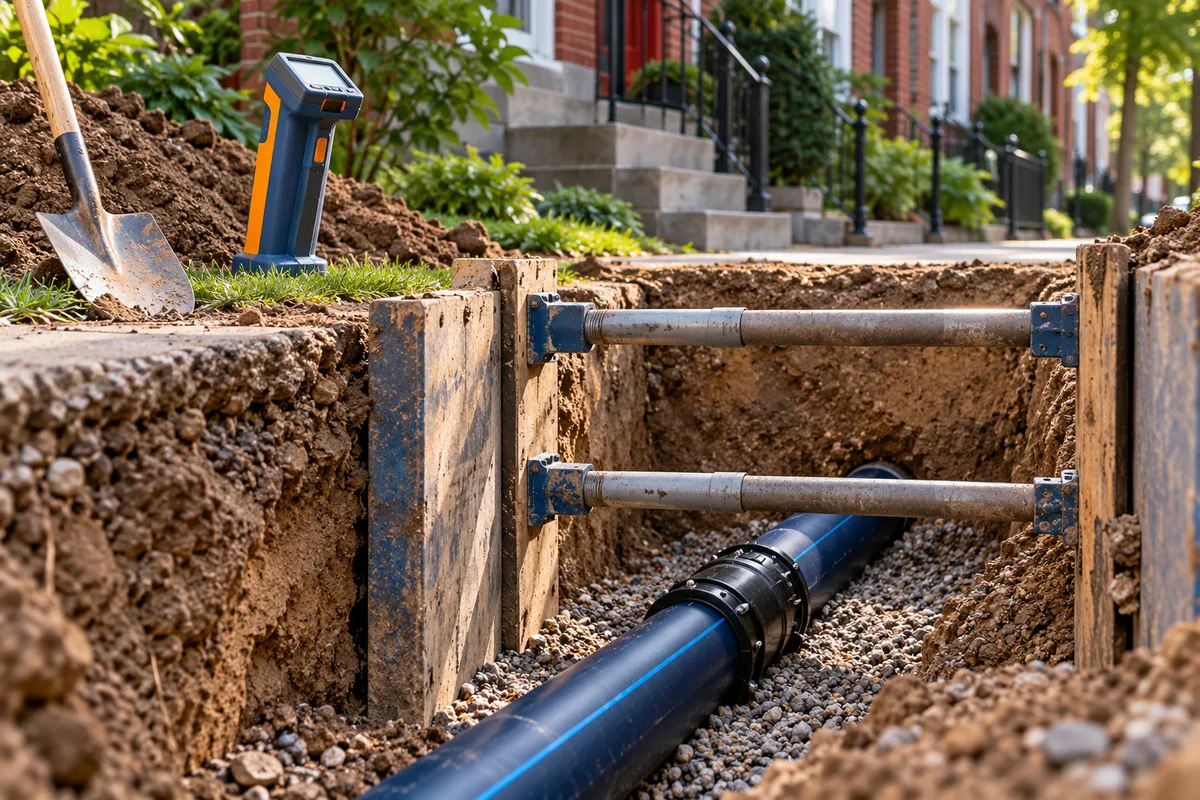
The provider locates the defect, defines the excavation, repairs or replaces the affected pipe, and restores the disturbed area. A spot excavation may also prepare a longer route for another method.
Sometimes the pipe needs to be physically corrected
A severe grade issue, inaccessible collapse, missing section, or unsuitable fitting may not be addressed by lining alone. Excavation provides direct access to correct or replace the affected piping. The important question is how much access is justified by the findings.
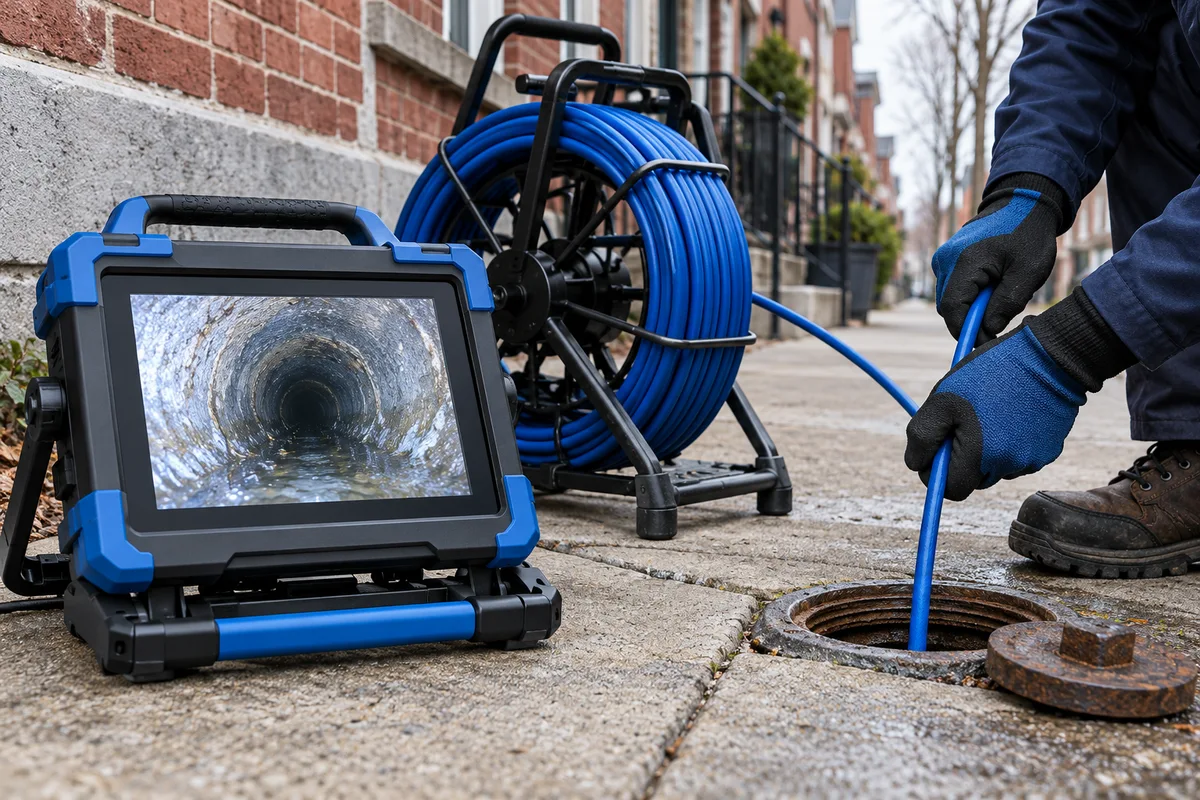
A stopped camera is not always a confirmed collapse. Ask what was visible, how the defect was located, and which portions remain uninspected. A carefully defined exploratory stage may be more appropriate than treating an uncertain route as a complete replacement project.
A spot dig can be part of a larger plan
Some projects need a limited excavation to correct a defect or establish access before another accepted repair method can be considered. Ask how the localized work relates to the rest of the route. The scope should distinguish pipe correction, access creation, and any subsequent rehabilitation.
Working space, depth, soil conditions, utilities, adjacent structures, and public frontage can affect the method and schedule. The contractor is responsible for appropriate safety and required approvals. Homeowners should not enter an excavation or attempt to inspect it from an unstable edge.
Restoration is part of the outcome
Define which concrete, paving, landscaping, floor finishes, or other surfaces will be reinstated. Ask whether the finished work is a basic patch or a wider matching repair and when it will be completed. A functioning drain can be returned to use before every surface is fully restored.
Keep the final inspection evidence, materials and repair limits, completed scope, and applicable closeout documents. If conditions change while the pipe is exposed, require the additional scope and price to be agreed before optional work proceeds.
Questions about this service
Is excavation always a full-length trench?
No. A located defect may be suitable for a spot repair, while another condition may require a longer opening. Ask why the chosen limits are necessary.
Can a liner repair a major grade problem instead?
Lining follows the existing route and does not automatically change its grade. Ask how the proposed method addresses the actual low section.
What should a restoration description include?
The area, materials or finish, responsible party, timing, and exclusions should be clear. “Make good” alone can leave different expectations.
Questions to bring to the appointment
- Depth and limits
- Utility locating
- Access and protection
- Change orders
- Restoration finish
Where this approach has limits
Excavation should still follow a clear diagnosis. Ask why the proposed limits are needed, what happens if the condition differs, and whether concrete, paving, or interior finishes are fully included.
Compare the complete proposal
Ask for the pipe section and repair length, expected access work, preparation, connection handling, final testing, and surface restoration. If the initial assessment is incomplete, the quote should identify the assumptions and explain how changes are approved.
Keep the inspection recording and the written scope. A second proposal is easier to assess when both providers are reviewing the same route and findings.
See the repair quote comparison guide →
Confirm current requirements with the responsible department and the provider assessing your property.