
When to ask about cipp pipe lining
Roots entering at joints, cracks in a serviceable host pipe, and deterioration that may be suitable for rehabilitation.
What the assessment should explain
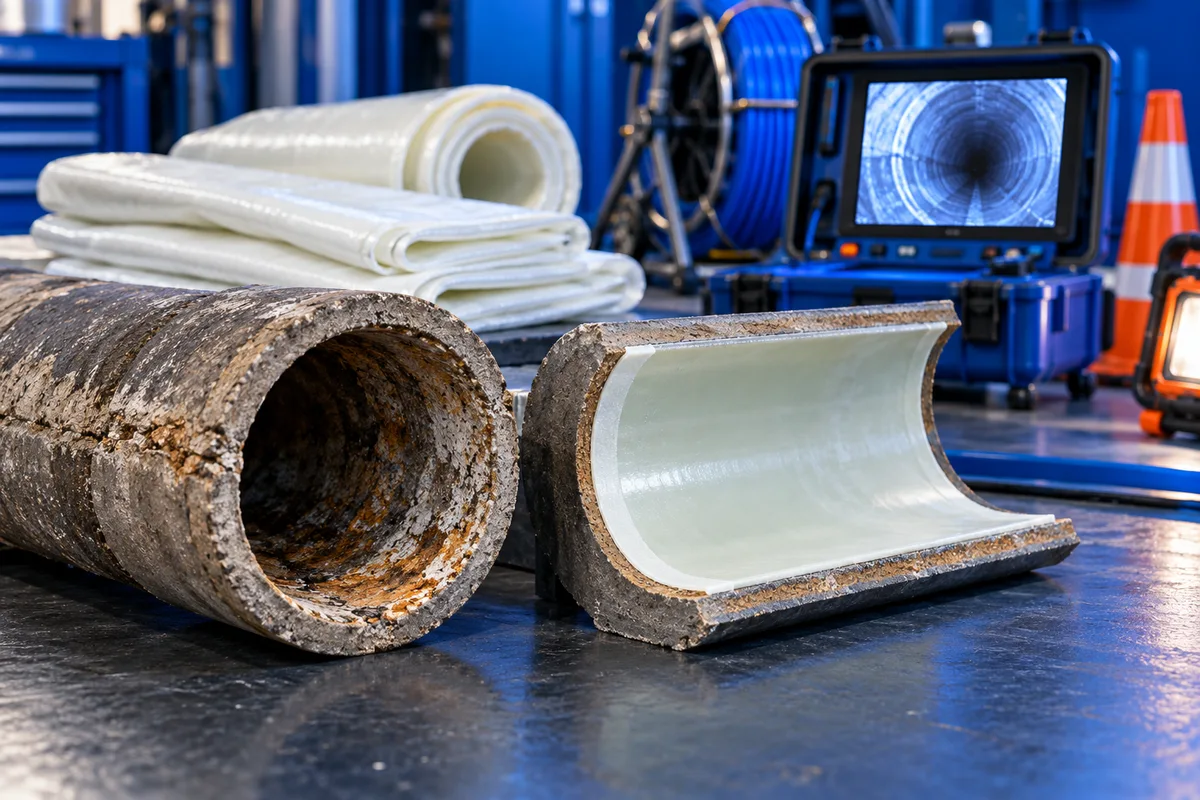
A prepared and inspected host pipe receives a resin-based liner that is cured to form a new internal surface. The proposed system, connections, and repair endpoints must suit the property.
What a good lining candidate looks like
CIPP is worth discussing when a sewer has defects that can be rehabilitated while its route and overall geometry remain usable. The assessment should describe the existing material, diameter, bends, branches, joint condition, and any standing water. Those details are more useful than a general statement that an old pipe needs lining.
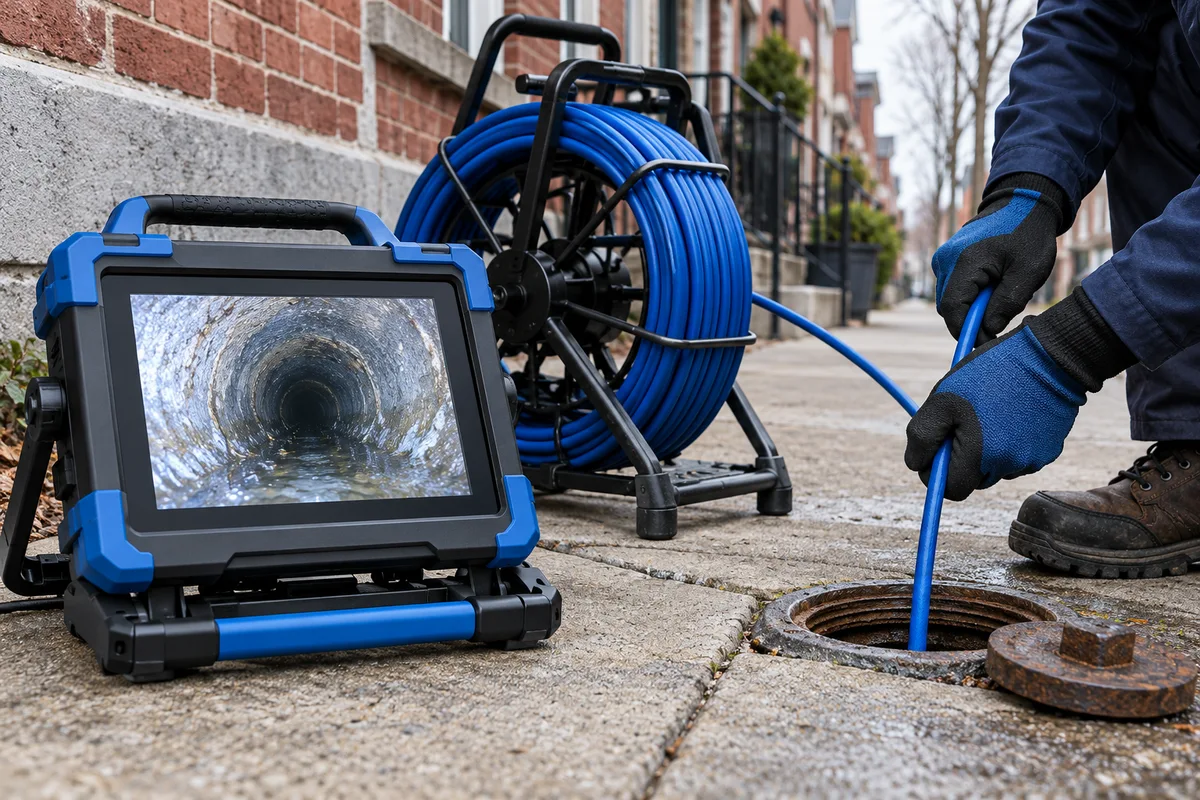
The camera view needs to be good enough to support that conclusion. Roots, deposits, and dirty water can conceal missing wall or a separation. Ask which findings are confirmed before cleaning and which must be checked afterward. If preparation exposes an unsuitable section, a spot repair or a different method may be needed.
Preparation is a separate, important stage
The host pipe must be prepared for the selected system. That may include removing roots, deposits, or obstructions and checking the accessible route again. Ask whether the quote includes the required preparation and how extra work is agreed if the initial view was incomplete.
Also ask where the liner begins and ends. Connections, changes of direction, the curb trap, and access fittings need an explicit plan. A smooth sample of lined pipe is useful for understanding the idea, but it does not show how every connection on your property will be handled.
What changes the scope and price
Length alone does not determine the total. Access work, depth, difficult preparation, branch connections, the proposed lining system, approval requirements, and surface reinstatement all matter. Compare quotes against the same inspection recording and ask providers to explain a different repair length.
Before normal use resumes, ask what final inspection and testing are included. Keep the recording, system details, completed scope, and written warranty terms. A website illustration cannot predict your finished diameter, approval outcome, or installation schedule.
Questions about this service
Does lining mean absolutely no digging?
Not necessarily. Existing access may be suitable, but a new access point or a preparatory spot repair can still require excavation. Ask for every expected opening to be marked in the proposal.
Can a liner straighten a low section?
A liner follows the host route. It does not automatically lift a belly or correct inadequate grade. Ask how the proposed work addresses the actual flow problem.
What should I receive after the work?
Ask for final footage, the defined repair endpoints, product/system information, applicable completion documents, and the provider’s written warranty.
Questions to bring to the appointment
- Host pipe condition
- Preparation and cleaning
- Finished diameter
- Local acceptance
- Final video
Where this approach has limits
Lining follows the host route. It does not automatically correct a belly, severe offset, missing section, or inadequate capacity. Philadelphia application and permit requirements must be checked.
Compare the complete proposal
Ask for the pipe section and repair length, expected access work, preparation, connection handling, final testing, and surface restoration. If the initial assessment is incomplete, the quote should identify the assumptions and explain how changes are approved.
Keep the inspection recording and the written scope. A second proposal is easier to assess when both providers are reviewing the same route and findings.
See the repair quote comparison guide →
- Philadelphia Code: rehabilitation of building sewers and drains ↗
- Perma-Liner: lateral lining specifications ↗
Confirm current requirements with the responsible department and the provider assessing your property.