
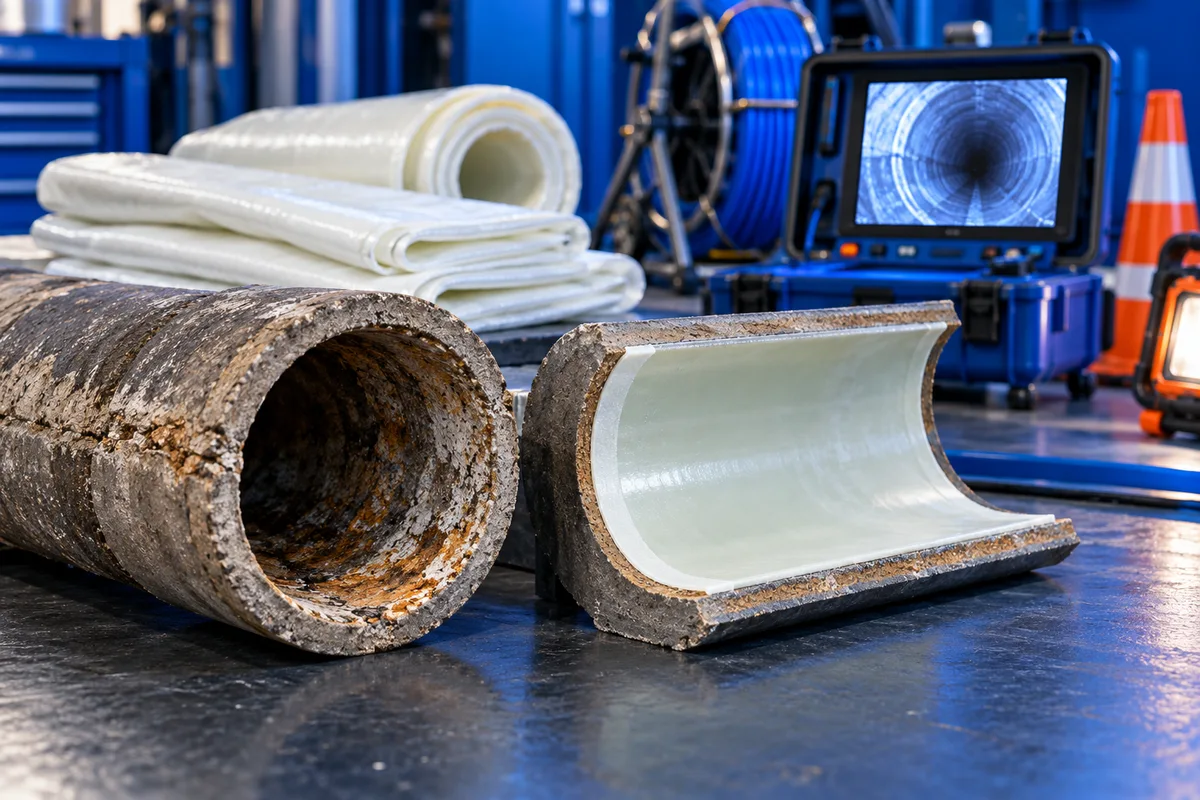
Look at the preparation stage
Ask how roots, deposits, and obstructions will be removed and how the result will be checked. The provider should be able to explain what must be visible and passable before proceeding. If the line cannot be prepared adequately, the repair plan may need to change.
Ask what the roots were hiding
Once the obstruction is removed, the inspection may reveal open joints, large separations, or missing wall. These findings affect eligibility for rehabilitation. Ask whether the initial quote is conditional on a satisfactory prepared inspection and how any extra work will be authorized.
Check the endpoints and connections
Even a sound liner needs a defined start, end, and treatment of existing connections. Ask what is included near the curb trap or other fittings. Keep the final recording to show the finished condition and accessible connections rather than relying solely on a warranty brochure.
Your next-step checklist
- Require a cleaning and inspection stage
- Define the response to hidden defects
- Document liner limits and connections
Discuss the next step for your property
For a Philadelphia service enquiry, call (267) 740-0245. Describe the symptoms, the address, and any inspection findings. Ask about CIPP pipe lining and confirm provider availability before arranging work.
This guide describes a problem scenario, not a completed customer job. It is general information, not a diagnosis, engineering design, coverage decision, or legal advice.
- Perma-Liner: lateral lining specifications ↗
- City of Philadelphia L&I: current applicable plumbing codes ↗
Confirm current requirements with the responsible department and the provider assessing your property.