Ask about the specific application
Is the work on a building drain, building sewer, lateral connection, or another component? What type of property is involved? Have the provider explain the applicable route to approval and avoid assuming a method accepted for one building category is accepted for every project.
Make the video and preparation stages explicit
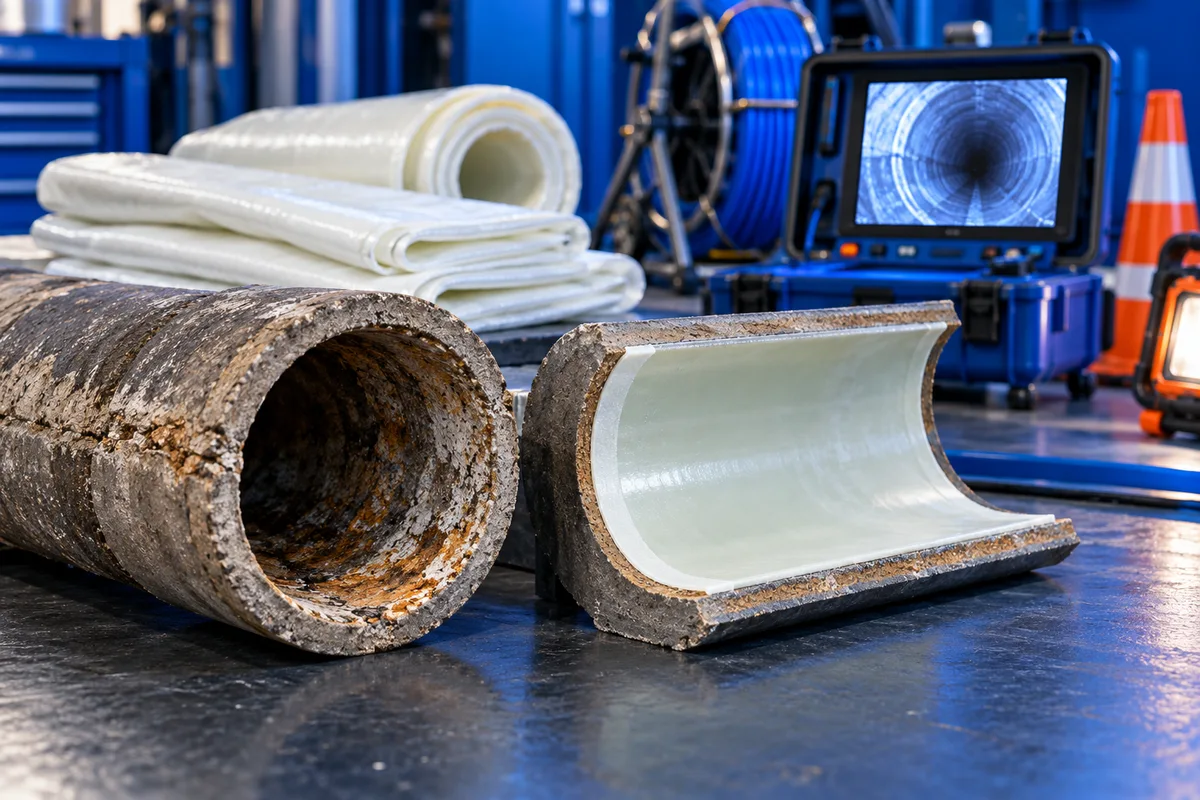
Ask what pre-installation survey and cleaning are needed and what must be submitted or reviewed. If a defect or pipe geometry makes the system unsuitable, the plan should change before installation. A manufacturer brochure alone is not confirmation that the local application is approved.
Put responsibilities in writing
Who obtains permits, arranges inspections, and supplies final documentation? What is the effect on the schedule if review takes longer or requires changes? Ask the contractor to include those responsibilities in the proposal, and verify current requirements through the official city sources linked below.
Your next-step checklist
- Identify property type and pipe component
- Confirm pre- and post-work documentation
- State who obtains approvals and inspections
Discuss the next step for your property
For a Philadelphia service enquiry, call (267) 740-0245. Describe the symptoms, the address, and any inspection findings. Ask about CIPP pipe lining and confirm provider availability before arranging work.
This guide describes a problem scenario, not a completed customer job. It is general information, not a diagnosis, engineering design, coverage decision, or legal advice.
- Philadelphia Water: customer responsibilities ↗
- City of Philadelphia: Notice of Plumbing Defect ↗
- City of Philadelphia L&I: current applicable plumbing codes ↗
Confirm current requirements with the responsible department and the provider assessing your property.