Give the provider a clear timeline
Did the issue begin suddenly after a particular event, or worsen over several weeks? Include any recent drain cleaning, renovation, or purchase inspection. Mention whether the slowdown appears during peak water use. This helps distinguish a recurring restriction from an isolated object in one branch.
Understand the first visit
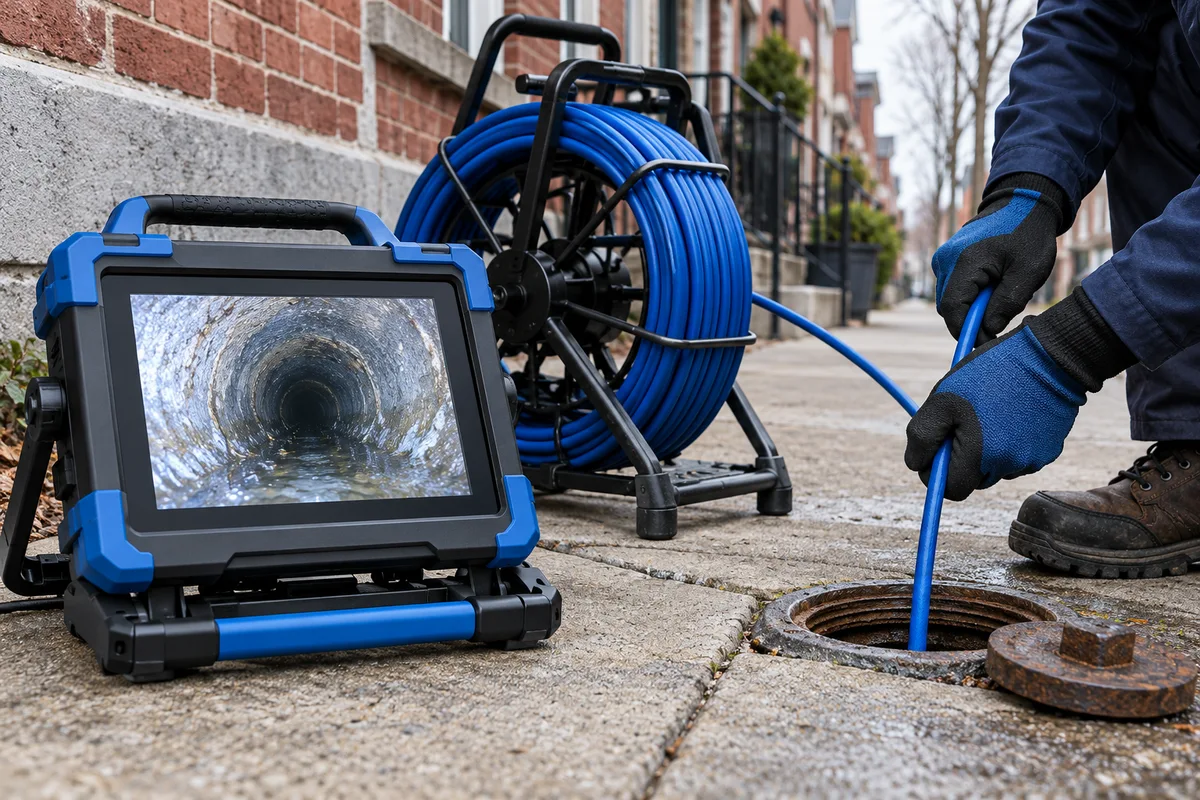
The initial task may be restoring flow safely so the pipe can be examined. Ask whether camera inspection is included, whether it happens before or after cleaning, and whether you receive a video. If standing water hides the pipe wall, a confident structural diagnosis may need another inspection stage.
Avoid a whole-line replacement by assumption
Multiple slow drains can have several causes. A repair proposal should identify the affected pipe, material, defect, and length. Ask why cleaning alone is insufficient and why the selected repair is suitable. Keep the recording so a second provider can review the same evidence rather than guessing from your description.
Your next-step checklist
- Describe the lowest affected opening
- List recent clearing or construction work
- Request diagnosis and repair as separate line items
Discuss the next step for your property
For a Philadelphia service enquiry, call (267) 740-0245. Describe the symptoms, the address, and any inspection findings. Ask about Sewer camera inspection and confirm provider availability before arranging work.
This guide describes a problem scenario, not a completed customer job. It is general information, not a diagnosis, engineering design, coverage decision, or legal advice.
Confirm current requirements with the responsible department and the provider assessing your property.