Establish the route and working space
Ask where the sewer enters and leaves the driveway area and where equipment or pits would be positioned. Confirm whether vehicles must be moved and how access to the property will be maintained. An approximate sketch with depth and defect location helps make the disruption tangible.
Compare feasible methods
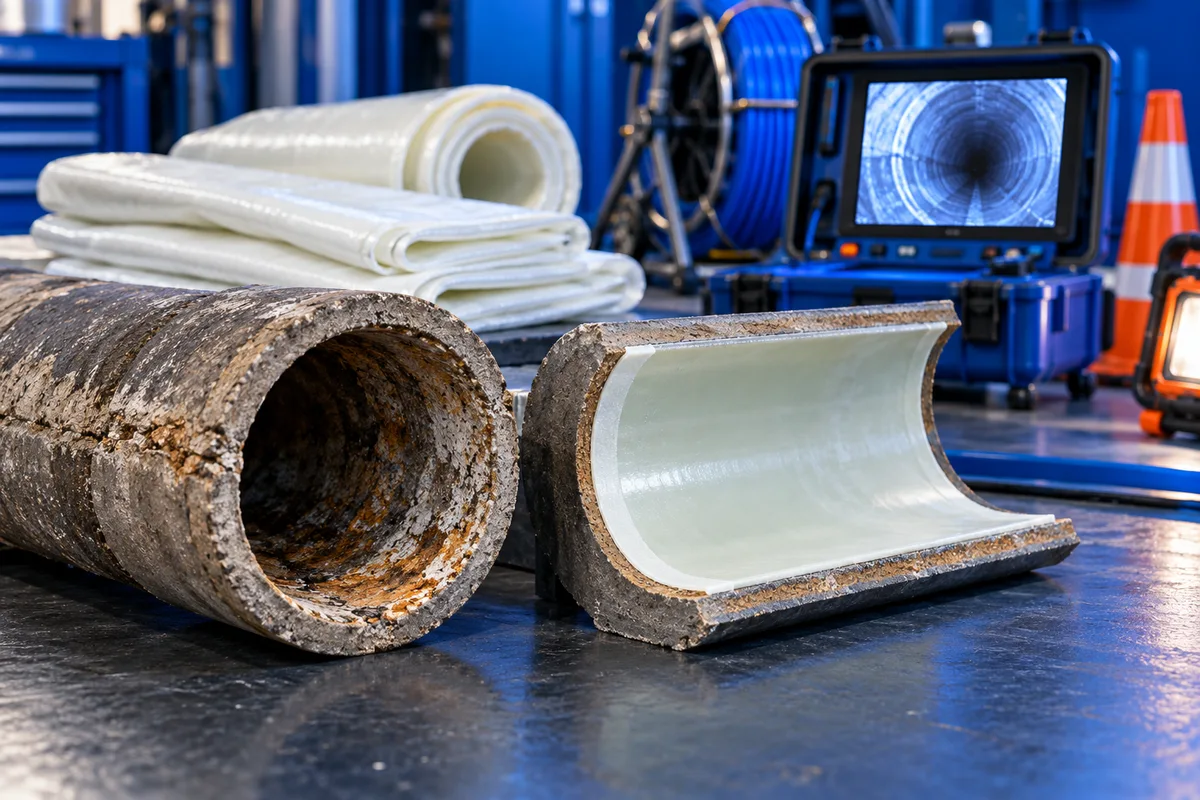
An eligible line may be considered for rehabilitation; a grade problem or missing section may require other work. Ask why each proposed approach fits the inspection evidence. A promise to avoid all driveway disturbance is premature before the pipe and access conditions are known.
Agree on the finish
The quote should distinguish a basic patch from resurfacing a larger area. Ask about matching limitations, curing time, and who completes the restoration. Compare the combined pipe and surface scope so you can evaluate the real cost of choosing a less invasive option.
Your next-step checklist
- Request a route and access sketch
- Compare technically suitable methods
- Define patching versus wider resurfacing
Discuss the next step for your property
For a Philadelphia service enquiry, call (267) 740-0245. Describe the symptoms, the address, and any inspection findings. Ask about CIPP pipe lining and confirm provider availability before arranging work.
This guide describes a problem scenario, not a completed customer job. It is general information, not a diagnosis, engineering design, coverage decision, or legal advice.
- Perma-Liner: lateral lining specifications ↗
- City of Philadelphia L&I: current applicable plumbing codes ↗
Confirm current requirements with the responsible department and the provider assessing your property.