Review the first scope
Was the work described as opening the drain, cleaning the full line, or diagnosing the cause? Check the invoice for the access point and distance reached. A return blockage can involve remaining deposits, a different section, or a damaged pipe; timing alone does not tell you which.
Request a recorded after-cleaning view
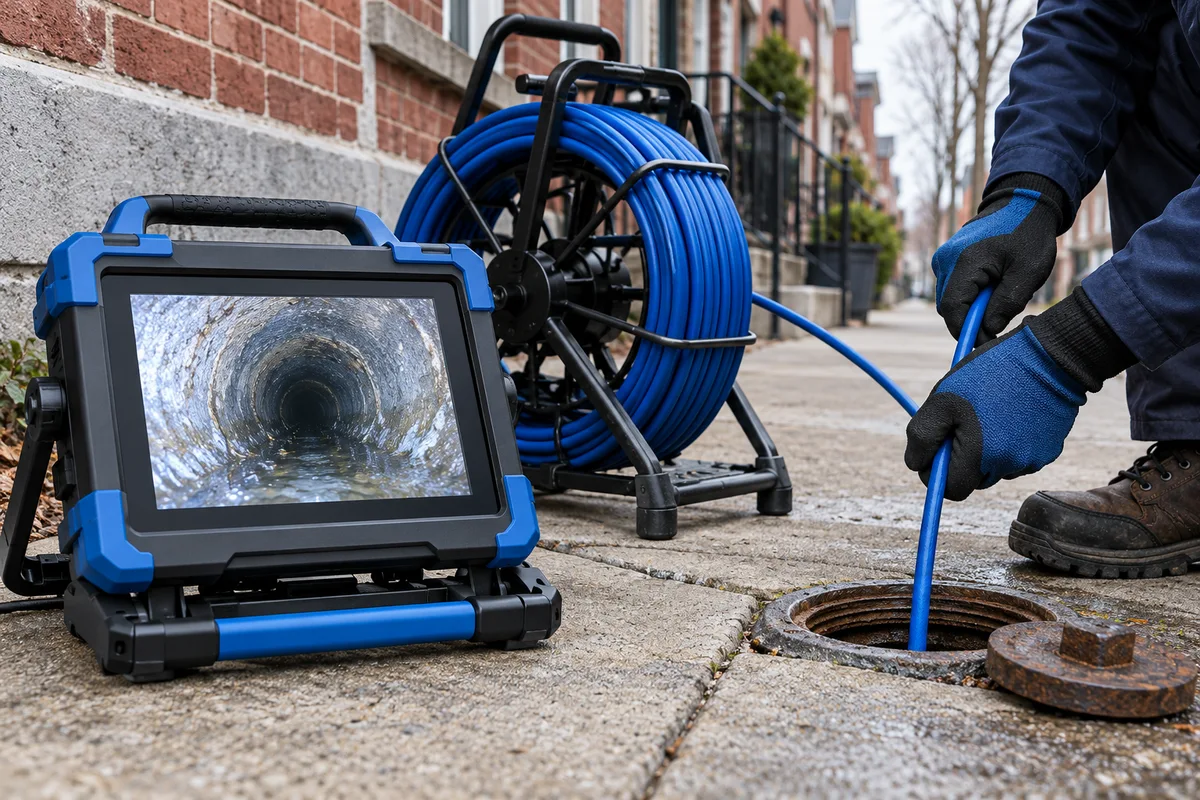
Ask whether the provider can show the accessible pipe after flow is restored. Note material changes, roots, offsets, and standing water. If the inspection is incomplete, ask what additional access would be needed and whether that affects any replacement recommendation.
Choose the next action from the findings
If deposits remain, improved cleaning may be appropriate. If a defect repeatedly catches material, structural work may be discussed. Ask for an explanation that connects the proposed work to the return blockage and a written scope that separates clearing, diagnosis, and repair.
Your next-step checklist
- Bring the first invoice and video
- Ask what the earlier tool reached
- Get a diagnosis before another identical clearing
Discuss the next step for your property
For a Philadelphia service enquiry, call (267) 740-0245. Describe the symptoms, the address, and any inspection findings. Ask about Sewer camera inspection and confirm provider availability before arranging work.
This guide describes a problem scenario, not a completed customer job. It is general information, not a diagnosis, engineering design, coverage decision, or legal advice.
Confirm current requirements with the responsible department and the provider assessing your property.